03 Dec 2025
Home Improvement
9 min read
Christmas Holiday Closure: We will be closed from Friday, 19 December 2025 and reopen Monday, 12 January 2026.
If your enquiry is urgent, please click here for our after-hours contacts.

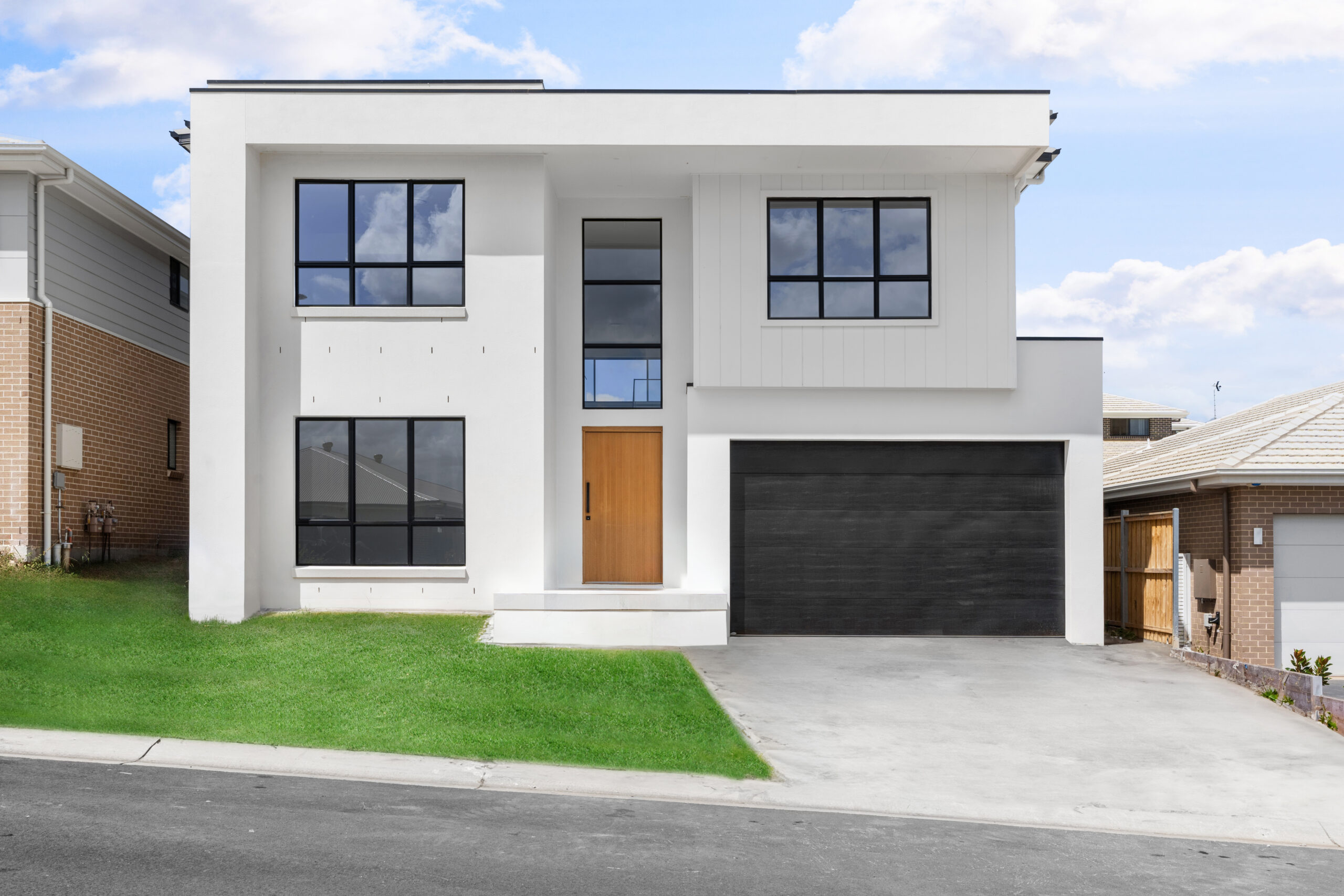
If there’s anything Australians love as much as buying real estate, it’s building and renovating it. Considering your garage door takes up around 20–40% of your home’s façade, the material you choose is makes a big impact on both appearance and long-term value.
One of the most asked questions we encounter is about Timber vs Composite Garage Doors and which is 'best' choice. Let's explore the options Australian homeowners have, factoring in unique conditions, like harsh sun, coastal salt air, and humidity, which all play a major role in your doors' longevity.
Timber Garage Doors are commonly crafted from three kinds of natural wood in Australia, cedar, pine and various hardwoods.
The reason they're the most highly valued is the aesthetics. Solid wood doors have a warm, organic appeal that’s hard to replicate. Traditionally, these doors are built using solid panels or engineered timber, often hand-finished to highlight the natural grain and texture. As a result of this careful manufacturing process, each door has a unique character and rich aesthetic. This makes them a popular choice for heritage homes, architectural builds, and properties that value street appeal.
But Timber Garage Doors are not all beauty and no substance. Cedar and hardwoods, especially, are also incredibly durable and have a natural resistance to the Australian elements.
Composite Garage Doors combine wood fibres, resin, and durable polymers to perfectly mimic the look of real timber with added strength and low maintenance.
Advanced manufacturing techniques help them resist moisture pests and UV damage making them suitable for most Australian climates.
So, now that you understand the two main types of garage doors, let’s look at how timber and composite options truly stack up across the features that matter most to you.
There's no denying that Timber Garage Doors are beautiful, and they offer natural strength. But it's important to know the downsides too. Wood doors are prone to warping, rot, and termite damage if not properly maintained. This is most common in coastal or tropical areas. Considering that most Aussies live on or near the coast, maintenance is important.
Conversely, composite doors are engineered for stability, resisting moisture, rot, and pests. This means they're better in harsh Australian climates, also due to enhanced UV resistance and fade protection. While well-maintained timber can last decades, it's Composite Garage Door materials that deliver a longer, more predictable lifespan with less weather-related wear.
If you choose timber and want to maximise your investment, then regular sealing, painting, or staining to protect against the elements is required. The frequency really depends on where you live, but wherever that is, it adds both cost and time for long-term upkeep.
Another reason Composite Garage Doors are so popular is that they are low-maintenance. Over 10 years, composite costs significantly less to maintain than timber, both financially and in time investment.
Lots of homeowners argue that when it comes to looks, you simply cannot beat real wood garage doors. Their authentic grain, natural variations, and warm character are simply divine. If your budget allows it, and you can handle (or outsource) the upkeep, timber could be a great option.
Conversely, if your budget doesn't allow it, Composite Garage Door materials are still an excellent choice. You can be more creative with a wide colour palette and design flexibility, making composite materials suitable for everything from modern to traditional homes. Both materials can be customised, but while wooden doors are mostly chosen for their unique texture and aesthetic, composite appeals to those wanting a clean, timber look garage door.
Real Timber Garage Doors come with a higher initial purchase price per square metre, and installation can come with a higher additional cost.
Composite options are more affordable upfront and cheaper to maintain. When factoring in a 10-year total cost of ownership, composite offers a stronger ROI. Timber’s value lies in its premium appearance and status appeal, and it can also increase your property’s value.
Both timber and composite can provide good insulation, but composite typically offers more consistent R-values (a measure of how well a material resists heat flow) due to its engineered core. This helps regulate garage temperatures and can reduce overall energy costs, which is important to consider in Australia’s climate. Timber can also insulate, but sometimes requires additional sealing to maintain performance over time.
Certified timber (such as FSC-approved) is the most sustainable option if sourced responsibly.
Composites containing recycled materials can also be a good choice, though recyclability at the end of life varies.
While we’ve discussed the pros and cons, here’s a quick rundown for easy reference.
Pros:
Cons:
Pros:
Cons:
Okay, so the big question is, which should you choose? Perhaps you've already made up your mind. But if not, here’s some more insight to help make the right decision.
Choose timber if you value authentic natural wood aesthetics and want your garage door to make a statement. It works particularly well on heritage or character homes, adding to that traditional charm. Timber is also best suited to you if you don’t mind regular maintenance or can afford to outsource it. On that note, only choose timber if it's within your budget. Finally, if you live in temperate or dry climate zones, where the risks of warping, rot, or pest damage are lower, then you will have less maintenance with a Timber Garage Door.
Choose composite if you're seeking a low-maintenance solution that can withstand coastal, humid, or harsh sun conditions. If you're after long-term cost savings and a consistent appearance over time, composite is a practical choice for anyone wanting durable performance without constant upkeep.
Timber Garage Doors have both a higher upfront cost and higher maintenance costs over time. So, it really comes down to budget. If timber is not within your budget, some realistic Composite Garage Doors are not only more affordable but also have lower ongoing expenses. That said, financing options or phased upgrades can be available where budget is a concern.
Steel-Line recommends choosing a garage door that balances durability, style, and low maintenance for Australian conditions. While we love selling and installing timber, especially for heritage or character homes, we mostly recommend composite for our coastal, humid, or high-UV areas.
Some experts like to go with modern trends, including insulated and low-maintenance designs, which future-proof your investment. Whatever your choice, always consider warranty and ongoing support. Your garage door supplier should be transparent about this. A solid warranty and friendly, ongoing support ensure long-term value for your home and, most of all, peace of mind.
Ultimately, it comes down to your priorities, climate, budget and desired look. Just remember, timber offers authentic beauty and character, while composite provides low maintenance and durability in harsh conditions.
There's really no “wrong” choice, as each material has its advantages depending on your home and lifestyle. But just consider your climate, budget, and long-term upkeep when deciding. Want some guidance? Then explore Steel-Line’s full range of Composite and Timber Garage Doors and reach out to our friendly and professional team.
How long do Timber Garage Doors last in Australia?
With proper maintenance, Timber Garage Doors can last 20–30 years.
Are Composite Garage Doors cheaper than timber?
Composite doors usually have lower ongoing maintenance costs, though timber look doors can be more expensive upfront.
Do Composite Garage Doors look fake?
High-quality wood composite doors are designed to mimic natural timber closely and often look very realistic.
What maintenance do Timber Garage Doors need?
Timber requires regular sealing, painting, or staining to prevent rot, warping, and pest damage. Sound insulation or natural insulation may require further upkeep.
Which garage door material is best for coastal areas?
Composite doors are generally better suited for coastal homes due to their resistance to salt, moisture, and corrosion.
Can you paint Composite Garage Doors?
Yes, most composite doors can be painted, though it’s recommended to follow the manufacturer's guidelines for durability.
Are Timber Garage Doors worth the maintenance?
Yes, if you value authentic aesthetics, making a statement/status, and traditional charm, timber can be worth the extra care.
Do Composite Garage Doors warp or fade?
High-quality composite doors are engineered to resist warping and fading, even in harsh Australian climates.
Discover the perfect door for your home and enjoy peace of mind with the experts in garage doors.